




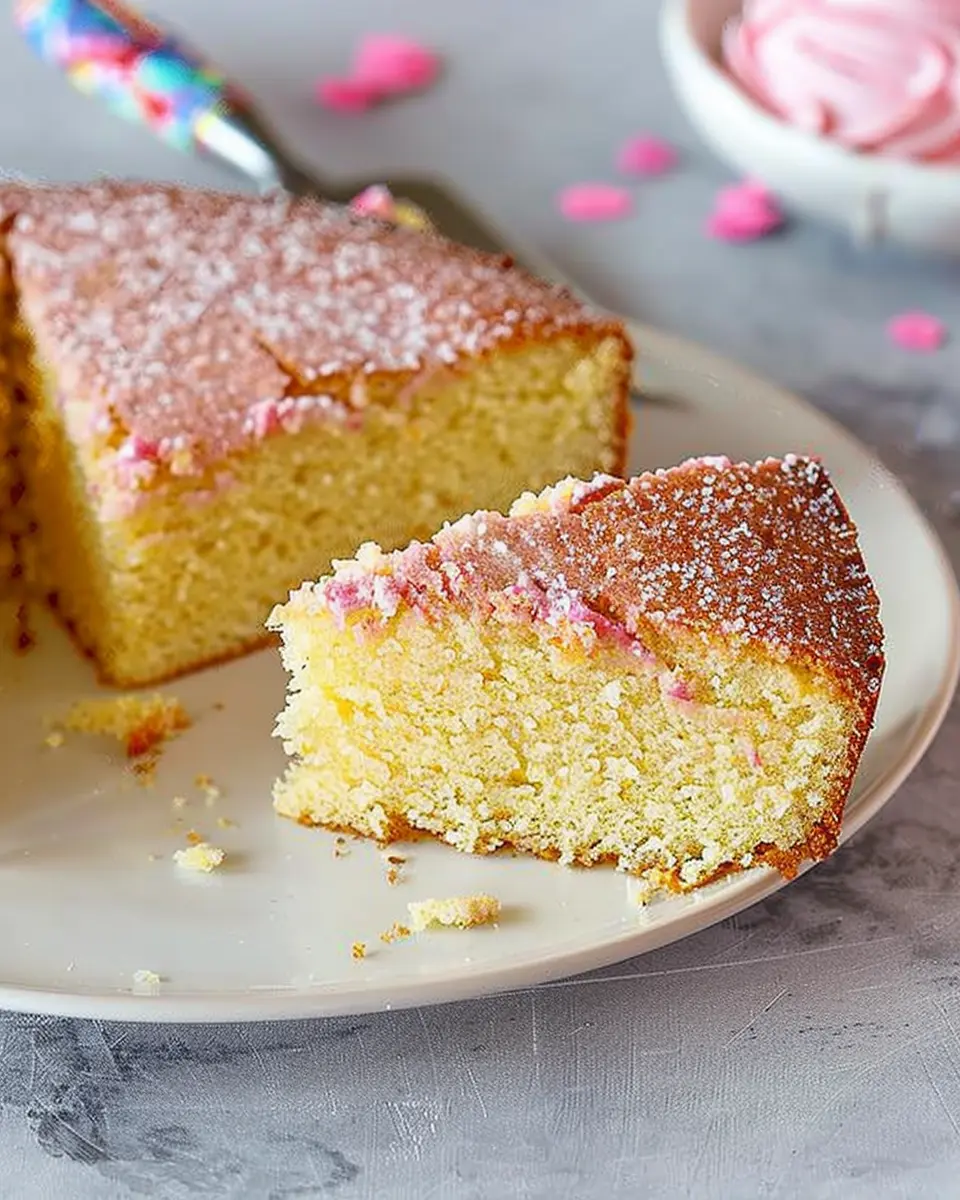
Introduction to Basic Butter Cake Recipe
Baking can seem intimidating, especially if you haven’t ventured into the kitchen much. But fear not! A basic butter cake recipe is your perfect entry point into the world of homemade desserts. Its simplicity and versatility make it an ideal foundation for budding bakers looking to impress family and friends—or just satisfy a sweet craving.
Why a basic butter cake is the perfect starting point for homemade desserts?
A basic butter cake requires minimal ingredients, usually just flour, sugar, butter, eggs, and a pinch of salt. This means you don’t need to stock your pantry with exotic items or advanced tools. The beauty of this cake is in its uncomplicated nature. According to experts at the King Arthur Baking Company, even the most novice bakers can find joy in preparing this delightful recipe.
But why should you start with a butter cake? Here are a few reasons:
-
Simplicity: The easy-to-follow instructions make it perfect for those who are trying their hand at baking for the first time. You mix, pour, and bake—it’s that straightforward.
-
Foundation for Creativity: Once you’ve mastered the basic butter cake recipe, you can customize it infinitely. Add chocolate chips for a decadent treat, incorporate fruit for a refreshing twist, or layer it with creamy frosting.
-
Perfect for Any Occasion: Whether it’s a casual coffee date or a special birthday celebration, a butter cake fits in seamlessly. You can dress it up or enjoy it plain; it’s all about personal preference.
-
Quick Baking: Generally, you can have this cake ready in just about an hour—perfect for those spontaneous dessert moments.
Imagine inviting friends over for a weekend brunch and serving them a fresh, home-baked butter cake, enticing them with the rich aroma wafting through your kitchen. Not only is it satisfying to bake, but it also brings people together. Who wouldn’t appreciate a homemade cake?
Dive into the world of baking today with your basic butter cake recipe, and allow this beginner-friendly dessert to inspire your culinary journey. For more tips on baking and improving your kitchen skills, check out resources like Food Network and BBC Good Food to expand your culinary repertoire.
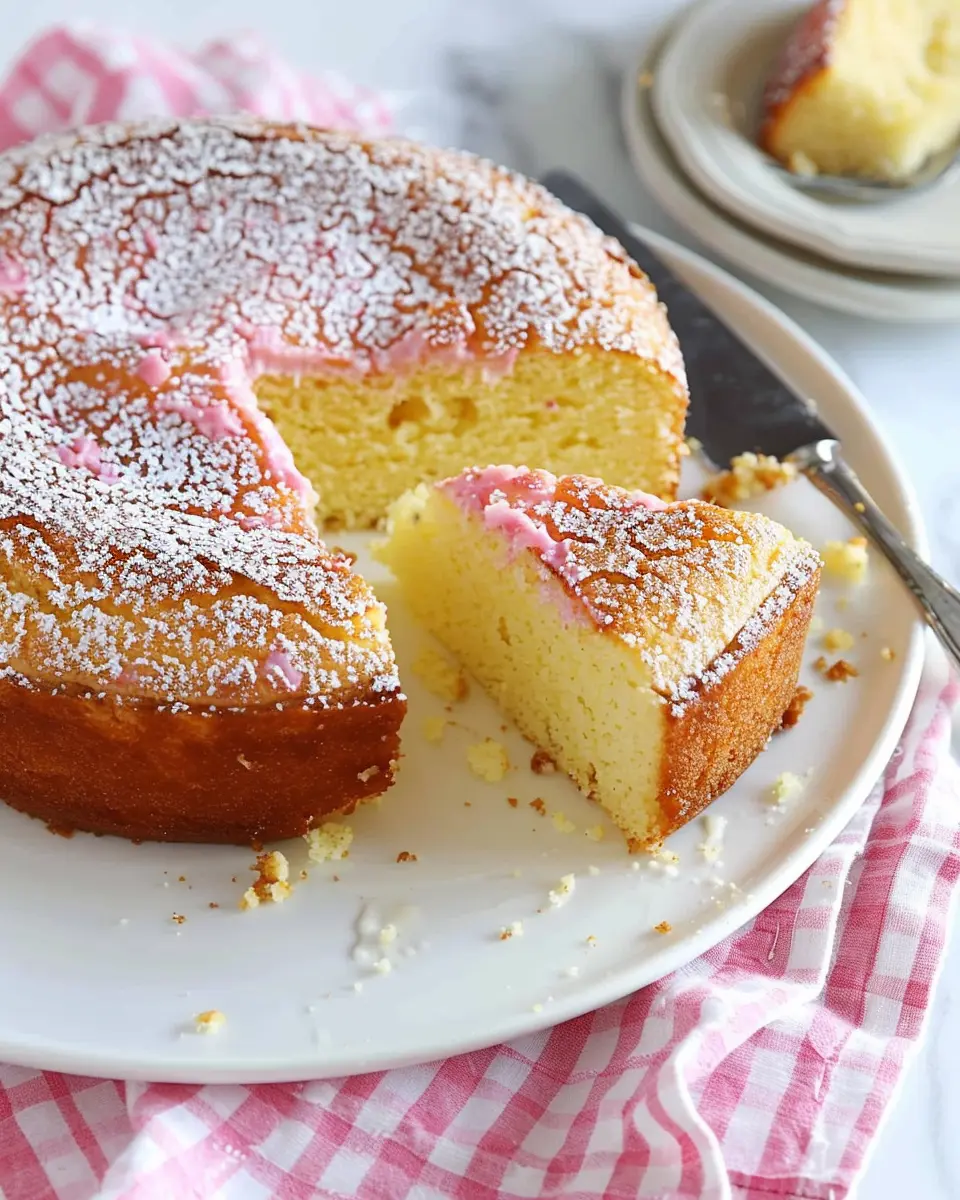
Ingredients for Basic Butter Cake
Essential ingredients for a classic butter cake
When it comes to a basic butter cake recipe, simplicity and quality are key. Here’s what you’ll need:
- Butter: About 1 cup of unsalted butter, softened to room temperature. This is crucial for that rich flavor and moist texture.
- Sugar: Use 1 to 2 cups of granulated sugar for sweetness. The more sugar, the sweeter your cake will be!
- Eggs: 3 to 4 large eggs provide the necessary structure and moisture.
- Flour: All-purpose flour (around 2 cups) helps create that delightful crumb.
- Baking powder: A couple of teaspoons to give your cake a light lift.
- Milk: About 1 cup, to achieve that perfect batter consistency.
These ingredients come together beautifully to create a classic cake that’s wonderfully adaptable.
Optional add-ins to elevate your recipe
Want to take your cake up a notch? Here are some optional add-ins that can add excitement to your basic butter cake recipe:
- Citrus Zest: A tablespoon of lemon or orange zest offers a refreshing twist.
- Vanilla Extract: A splash of pure vanilla can enhance the overall flavor.
- Chocolate Chips: Fold in about a cup for a deliciously rich surprise.
- Nuts: Chopped walnuts or pecans add a lovely crunch.
These little extras can transform a traditional cake into a standout dessert. Have fun experimenting! For more tips on baking, check out resources like King Arthur Baking for inspiration. Happy baking!
Step-by-step Preparation for Basic Butter Cake
When it comes to baking, nothing feels more satisfying than creating a scrumptious basic butter cake. It’s a timeless classic that’s perfect for any occasion, whether you’re celebrating a birthday, hosting a gathering, or just craving something sweet. Follow this step-by-step guide to cake-making perfection, and you’ll impress your friends and family in no time!
Gather all necessary tools and ingredients
Before you dive into mixing and baking, let’s make sure you have everything you need.
Tools:
- Mixing bowl
- Electric mixer (a whisk works too, but it’ll take longer)
- Measuring cups and spoons
- Rubber spatula or wooden spoon
- 9-inch round or square baking pan
- Parchment paper (optional for easy removal)
Ingredients:
- 1 cup (2 sticks) unsalted butter, softened
- 1 ½ cups granulated sugar
- 4 large eggs
- 2 cups all-purpose flour
- 2 teaspoons baking powder
- ½ teaspoon salt
- ½ cup milk (or milk alternative)
Gathering these essentials ahead of time will make your baking experience smoother and more enjoyable.
For ingredient substitutions, check out this handy guide from the Culinary Institute of America.
Preheat the oven and prepare your baking pan
Now that you have everything in place, it’s time to get your oven ready! Preheat it to 350°F (175°C). This step is crucial because it allows the cake to bake evenly.
While the oven warms up, prepare your baking pan. Grease it with butter or oil, and consider using parchment paper for easy lifting after baking. This simple trick can save you from the frustration of cake sticking to the pan!
Cream the butter and sugar until light and fluffy
With your oven preheated and your pan ready, it’s time to cream the butter and sugar. This step is vital in achieving that lovely texture and flavor in your basic butter cake recipe.
Using an electric mixer, combine the softened butter and granulated sugar in your mixing bowl. Mix on medium speed for about 3-5 minutes, or until the mixture is pale and fluffy. Trust me, this step makes all the difference. You’ll know it’s ready when you see the mixture become lighter in color and show a bit of volume.
Add eggs and mix in the dry ingredients
Next, it’s time to introduce the eggs. Crack them one at a time into the creamed mixture, ensuring they are well combined after each addition. This helps incorporate air, making the cake light and tender.
Now it’s time to mix the dry ingredients. In a separate bowl, whisk together the all-purpose flour, baking powder, and salt. Gradually add this dry mixture to your wet ingredients, alternating with the milk. Start and end with the flour mixture (dry-wet-dry) to avoid overmixing. Gently fold everything together until just combined — lumps are okay!
Pour the batter into the pan and smooth the top
Once your batter is mixed, pouring it into your prepared pan should feel rewarding! Use your rubber spatula to transfer the batter evenly into the pan. It’s essential to smooth out the top with the spatula, giving you a nice surface to work with as it bakes.
Bake to perfection and perform the toothpick test
Finally, it’s time to let your cake bake! Slide it into the preheated oven and set a timer for 30-35 minutes. Baking times can vary, so keep an eye on it.
When your timer goes off, perform the toothpick test: insert a toothpick into the center of the cake. If it comes out clean or with just a few crumbs, your cake is done! If it’s gooey, it needs a bit longer. Remember, patience is key here!
Once baked, let your cake cool in the pan for about 10 minutes before transferring it to a wire rack to cool completely. And there you have it: a delightful basic butter cake ready for frosting, fruit, or simply enjoying on its own!
Now that you’ve mastered this recipe, feel free to explore other variations and toppings! Happy baking!
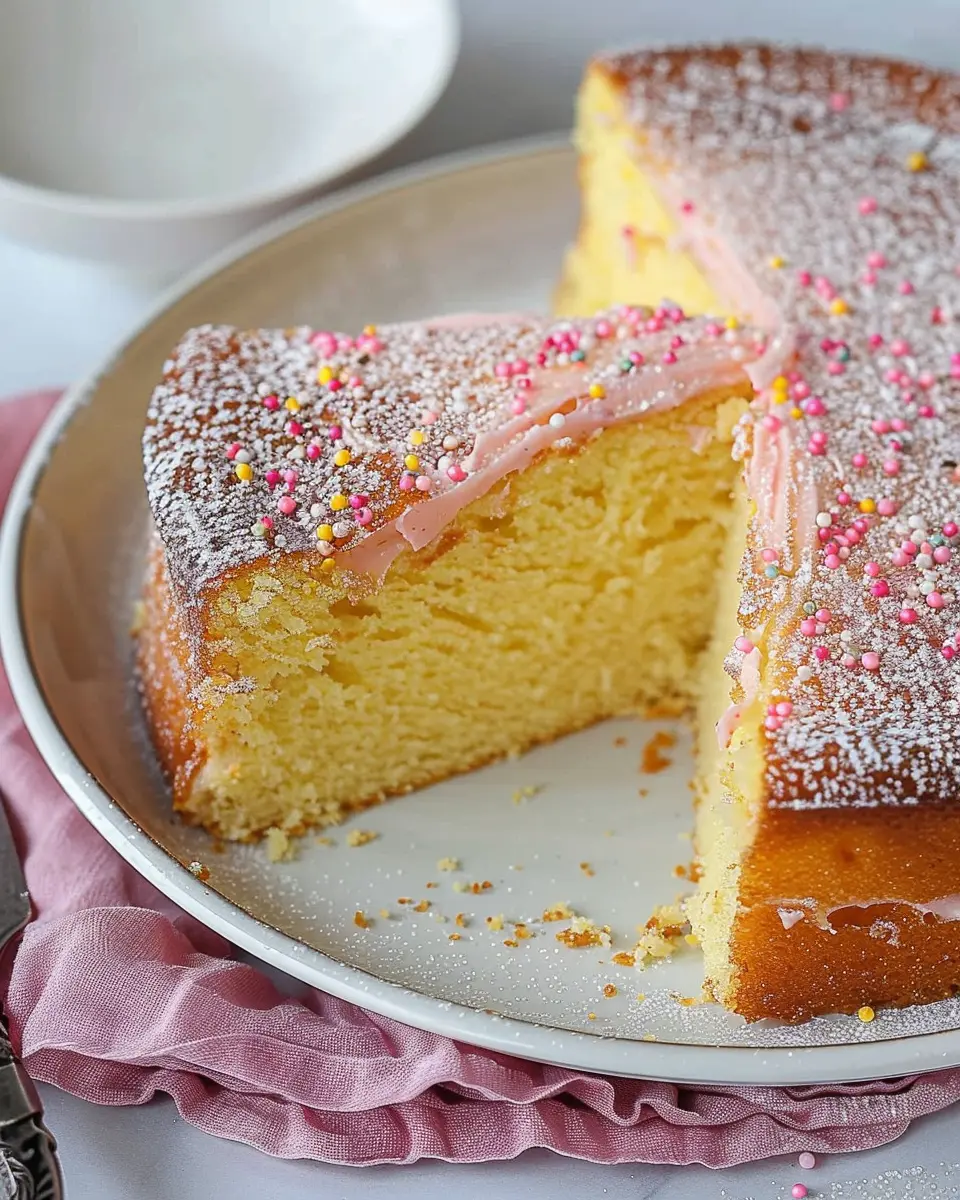
Variations on Basic Butter Cake
Exploring variations of your basic butter cake recipe can elevate your baking game and impress guests at your next gathering. Let’s dive into some delightful twists that will cater to different palates and occasions.
Citrus-infused butter cake
If you love bright, zesty flavors, a citrus-infused butter cake is perfect for you. Simply add the zest of one lemon or orange to your batter for a refreshing lift. To take it further, consider incorporating fresh citrus juice into the mix or drizzle a citrus glaze on top after baking. This cake becomes a perfect accompaniment to afternoon tea or a summer brunch!
Chocolate marble butter cake
Who can resist chocolate? For a delicious chocolate marble butter cake, follow your basic butter cake recipe and divide the batter in half. Mix cocoa powder into one half, then gently swirl it with the vanilla batter before baking. This colorful presentation not only makes for a stunning dessert but also satisfies both vanilla and chocolate lovers. Feel free to serve it with a scoop of vanilla ice cream for an indulgent treat!
Nut and dried fruit butter cake
Add some texture and nutrition to your cake by including nuts and dried fruits. Chopped almonds, walnuts, or pecans work wonderfully, while raisins, cranberries, or even dried figs can sweeten the deal. Just toss them in flour to help them suspend in the batter, ensuring an even distribution. This variation not only makes for a tasty afternoon snack but is also great for those on-the-go.
Experimenting with these variations on your basic butter cake recipe will keep your baking adventures fun and exciting. Whether you opt for citrus, chocolate, or a nutty treat, you’ll find endless joy in creating personalized versions that reflect your style!
Cooking Tips and Notes for Basic Butter Cake
Importance of Room Temperature Ingredients
Using room temperature ingredients is essential for achieving a perfectly moist and fluffy texture in your basic butter cake recipe. When butter, eggs, and milk are at room temperature, they blend more easily, creating a smooth batter that traps air, leading to a lighter cake. If you forget to take your ingredients out in advance, simply place eggs in warm water for a few minutes and soften the butter in the microwave for just a few seconds.
Why You Shouldn’t Over-Mix the Batter
One common pitfall while making a basic butter cake is over-mixing the batter. This can lead to a dense, chewy cake instead of the tender crumb we love. Mix just until the dry ingredients are incorporated. It’s okay if there are a few small lumps—those will bake away.
How to Avoid a Dry Cake
To ensure your cake doesn’t turn out dry, be mindful of baking time and moisture levels. Always check for doneness closely; insert a toothpick into the center of the cake, and if it comes out clean or with just a few moist crumbs, it’s done. Additionally, consider incorporating sour cream or yogurt into your batter for added moisture and richness.
For more helpful baking advice, check out resources like King Arthur Baking or The Kitchn. Happy baking!
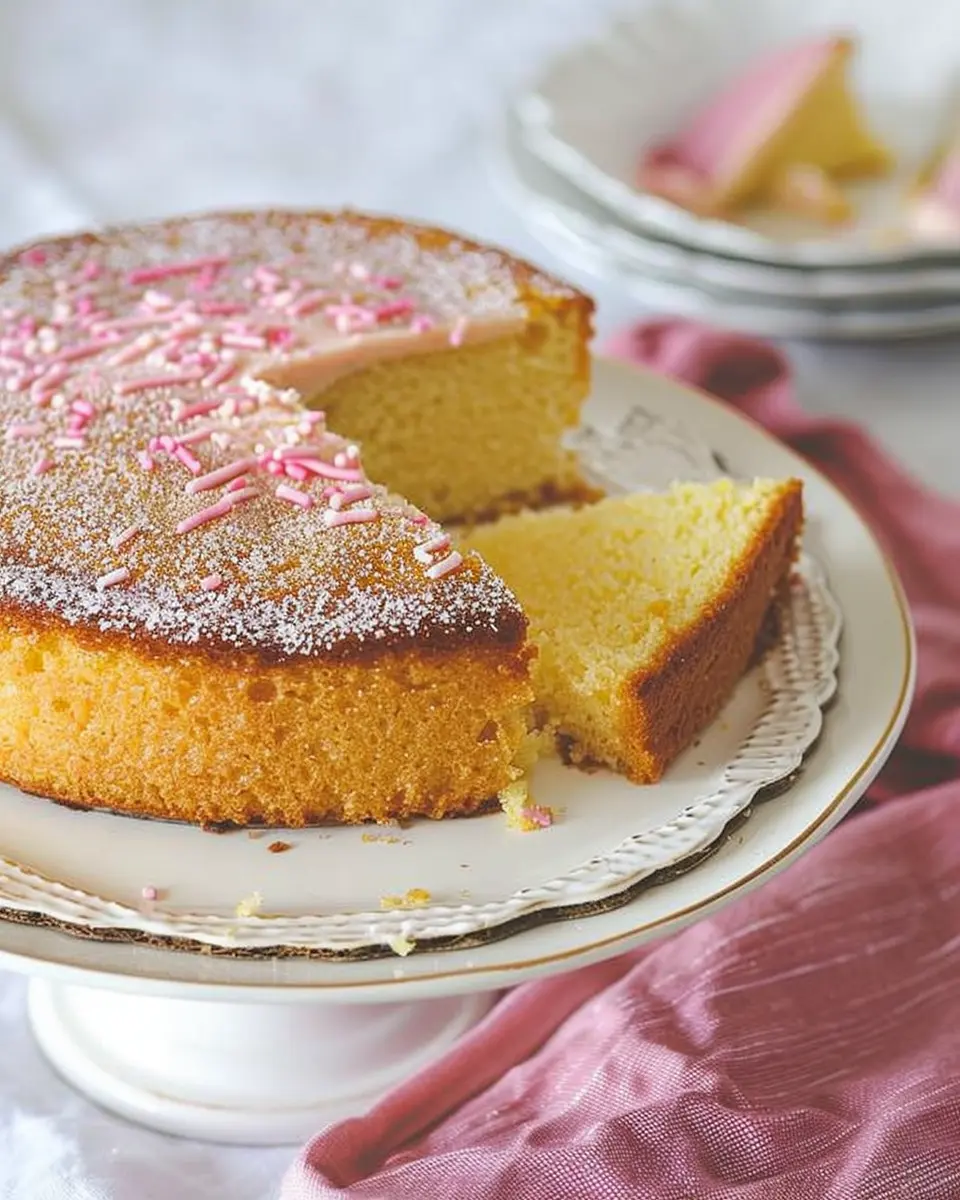
Serving Suggestions for Basic Butter Cake
Classic simple icing for a sweet finish
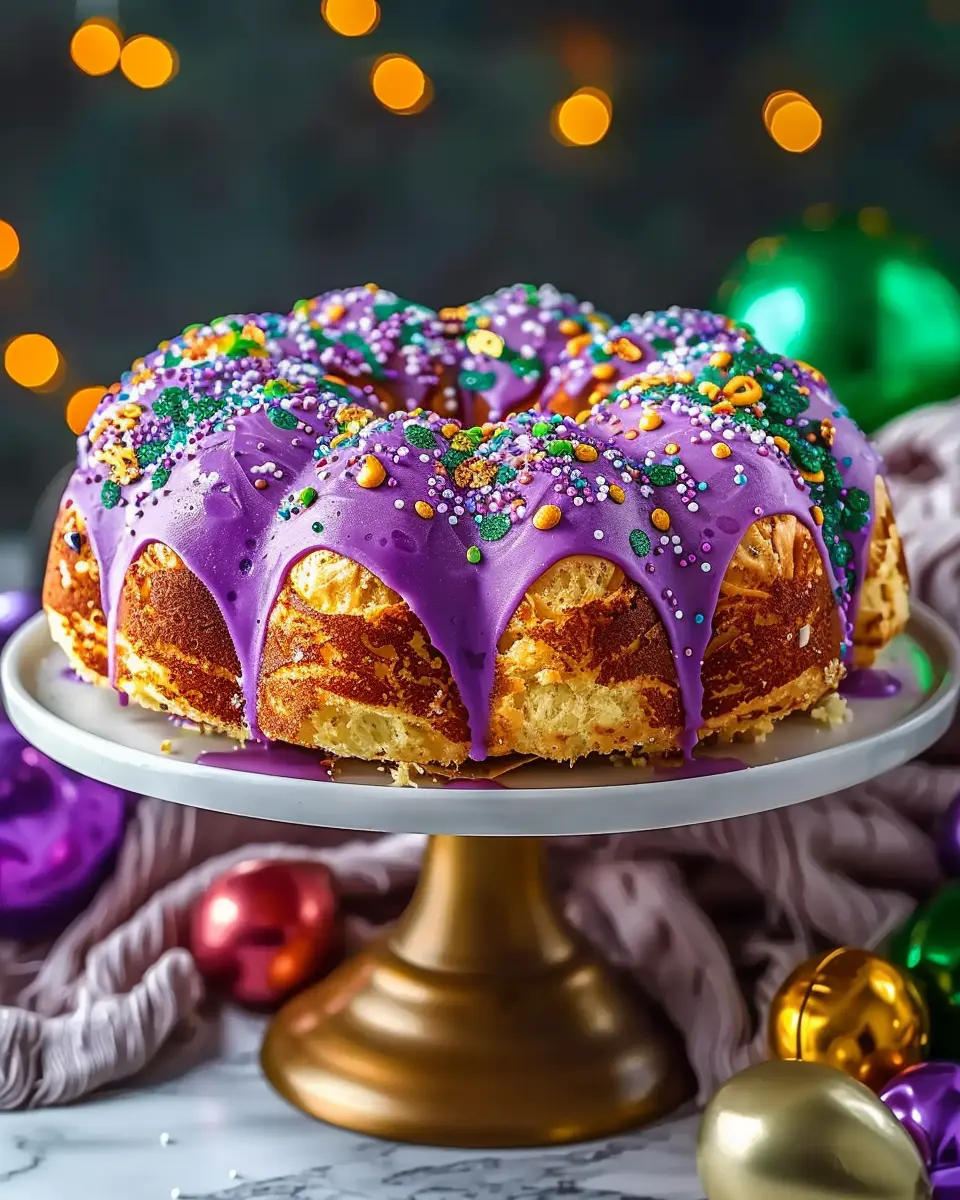
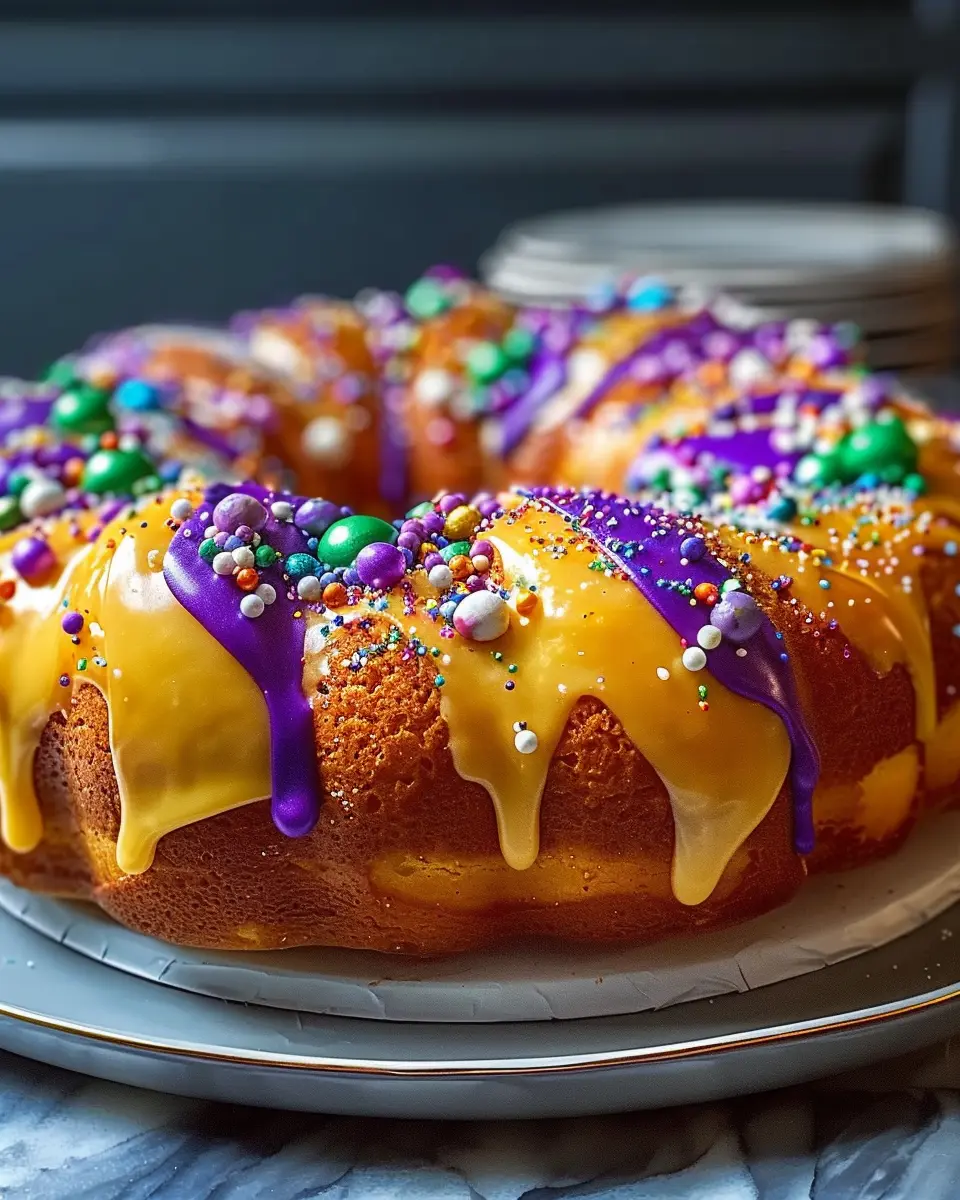
One of the quickest ways to elevate your basic butter cake recipe is with a classic icing. A simple mixture of powdered sugar, milk, and a splash of vanilla can create a sweet glaze that beautifully contrasts the buttery flavor of the cake. Just drizzle it on top and let it set for a few minutes for a delightful finish. For an extra touch, sprinkle some colorful sprinkles or shredded coconut!
Fresh fruit and whipped cream toppings
For a light and refreshing twist, consider serving your cake with fresh fruit. Slices of strawberries, blueberries, or even peaches can awaken the palate. Pair them with a dollop of whipped cream for creaminess and richness. This fruity addition brightens the dessert and adds a pop of color, making it Instagram-worthy!
Perfect pairing with a hot beverage
Nothing complements a slice of buttery goodness like a comforting hot beverage. Brew a strong cup of coffee or a soothing herbal tea to balance the sweetness of the cake. This warming combination is ideal for a cozy afternoon treat or a gathering with friends. Consider offering a selection of beverages to cater to different tastes!
For more tips on pairing desserts and beverages, check out this guide from Gourmet Magazine.
Time Breakdown for Basic Butter Cake
When it comes to baking a basic butter cake, understanding the time involved can really help you plan your day. Let’s break it down:
Preparation Time
Getting your ingredients ready will take about 15-20 minutes. This includes measuring your butter, sugar, eggs, and flour, and preheating your oven—a crucial step!
Baking Time
Once your cake batter is mixed, pour it into your prepared pan and bake for about 30-35 minutes. The aroma that fills your kitchen will be irresistible!
Total Time
In total, you’re looking at approximately 50-60 minutes from start to finish. Perfect for a quick weekend treat or last-minute dessert! For more details on perfecting this basic butter cake recipe, consider checking out this guide on baking basics.
Taking just an hour can reward you with a delightful cake perfect for any occasion!
Nutritional Facts for Basic Butter Cake
Understanding the nutritional profile of your favorite basic butter cake recipe can help you indulge wisely! Here’s a breakdown of some key facts:
Calories per serving
A standard slice of butter cake typically contains around 350 calories. This makes it a delightful treat for those special occasions without going overboard.
Fat content
In terms of fat, you can expect about 18 grams per slice. While it may sound high, remember that not all fats are bad; they help to create that deliciously rich texture we love!
Sugars and carbohydrates
This cake usually packs around 30 grams of sugars and 45 grams of carbohydrates. If you’re looking to balance your intake, consider pairing a slice with some protein or healthy fats, for instance, a scoop of Greek yogurt can elevate your dessert experience while keeping you full longer.
For more detailed nutritional guidance, check out resources like the USDA FoodData Central or Healthline. Balancing treats with your regular diet can enhance your culinary adventures!
FAQs about Basic Butter Cake
Baking a basic butter cake is a delightful experience, but questions often pop up that can make or break your cake. Let’s tackle some common concerns!
What can I substitute for unsalted butter?
If you find yourself without unsalted butter, don’t worry! Here are some excellent substitutes:
- Salted Butter: Just lower the added salt in your recipe by a pinch to balance flavors.
- Vegetable Oil or Coconut Oil: These can keep your cake moist, just use about ¾ of the amount since oil is more concentrated.
- Margarine: This will work in a pinch, but it might slightly alter the flavor.
For more unique alternatives, check out this helpful article on substituting baking ingredients.
How can I make my butter cake more moist?
Moisture is key to a delicious basic butter cake recipe. Here are some tips to achieve that perfect texture:
- Add sour cream or yogurt: Just half a cup can enhance moisture and add richness.
- Increase sugar slightly: A bit more than the recipe calls for can add moisture.
- Don’t overmix: Once you combine dry and wet ingredients, mix gently to avoid a dense texture.
Can I freeze a butter cake?
Absolutely! Freezing a butter cake is a practical way to preserve it for later enjoyment. Here’s how:
- Allow it to cool completely: This is crucial to prevent condensation.
- Wrap tightly: Use plastic wrap followed by foil to prevent freezer burn.
- Thawing: When ready to eat, let it thaw at room temperature for several hours or overnight in the fridge.
Tailoring your basic butter cake with these tips can help ensure it turns out perfectly every time. Baking should be fun and approachable, so don’t hesitate to experiment! If you have any other questions, feel free to ask in the comments.
Conclusion on Basic Butter Cake
Recap of the Joy of Baking at Home
Baking at home is sincerely one of life’s simplest pleasures. Whether you’re whipping up a basic butter cake for a weekend treat or celebrating a friend’s special occasion, the process brings warmth and happiness to your kitchen. The aroma of freshly baked goods fills the air, making any day feel a bit more special. Plus, there’s something incredibly rewarding about serving your own homemade creation, isn’t there?
Encouragement to Experiment with Flavors and Ingredients
Don’t hesitate to put your own spin on this basic butter cake recipe! Experiment with different flavors—like adding citrus zest, spices, or even chunks of your favorite chocolate. You can also try using alternative flours for a unique texture or adding fruit for a refreshing twist. Remember, each small change can lead to a delicious surprise. Explore ideas on flavor pairing and ingredient substitutions by checking out resources like BBC Good Food or Food Network. Your baking journey is an opportunity for creativity, so have fun and enjoy every moment!
PrintBasic butter cake recipe: The best homemade delight for all occasions
Learn how to make a classic butter cake that is perfect for any occasion. This simple yet delicious recipe will guide you step-by-step to create a soft and moist cake.
- Prep Time: 20 minutes
- Cook Time: 35 minutes
- Total Time: 55 minutes
- Yield: 12 servings 1x
- Category: Desserts
- Method: Baking
- Cuisine: American
- Diet: Vegetarian
Ingredients
- 1 cup unsalted butter, softened
- 2 cups granulated sugar
- 4 large eggs
- 3 cups all-purpose flour
- 1 cup milk
- 1 tablespoon vanilla extract
- 2 teaspoons baking powder
- 1/2 teaspoon salt
Instructions
- Preheat your oven to 350°F (175°C).
- In a large bowl, cream together the butter and sugar until light and fluffy.
- Beat in the eggs one at a time, then stir in the vanilla extract.
- Combine the flour, baking powder, and salt; gradually add to the creamed mixture alternating with milk.
- Pour the batter into a greased cake pan.
- Bake for 30-35 minutes or until a toothpick inserted into the center comes out clean.
- Let the cake cool before serving.
Notes
- For a richer flavor, consider adding lemon zest or almond extract.
- Always make sure your ingredients are at room temperature for best results.
Nutrition
- Serving Size: 1 slice
- Calories: 350
- Sugar: 22g
- Sodium: 150mg
- Fat: 18g
- Saturated Fat: 10g
- Unsaturated Fat: 6g
- Trans Fat: 0g
- Carbohydrates: 45g
- Fiber: 1g
- Protein: 4g
- Cholesterol: 80mg
Keywords: basic butter cake recipe, homemade butter cake, cake recipes